
LEGO 🧱 and Web Development
06 Feb, 2021 • 2 min read
Building software is like building with LEGO. Same blocks, infinite possibilities. A short reflection on focus, simplicity, and the right brick in the right place.
Listen
Playback speed
Last week on my usual morning walk ☀️, my friend Arko and I got talking about design systems. I was explaining how they're really just the smallest UI building blocks. Standardized. Tested. Designed to snap together. And mid-sentence it hit me: that's not just design systems. That's all of software development. 🧱
Somewhere along the way, we started believing that real engineering means building from scratch. That using someone else's brick is a shortcut. That the value is in the novelty of the piece, not in what you assemble with it. 🤷
But LEGO sets don't ship with raw plastic. They ship with bricks. The magic was never in manufacturing the brick. It was in the instruction book you threw away and the thing you built instead. 📖
A
<Button />, a useEffect, a Tailwind utility class, an API route. None of these are impressive on their own. Everyone has the same bricks. The same React docs. The same npm registry. What differs is the architecture of the castle 🏰: which pieces you chose, which you left out, and how they fit together under constraints unique to your problem.Here's the part most people miss: the hardest LEGO decision isn't picking the right brick. It's resisting the wrong one. 🚫 The tempting abstraction. The "clever" custom hook that saves 4 lines today and costs 40 hours of debugging next quarter. I've seen production systems buckle not because the pieces were bad, but because there were too many of them. Each one reasonable in isolation. Incoherent as a whole. 💥
The best builders I've worked with share one trait: restraint. 🧘 They reach for fewer bricks, not more. They pick the boring brick that fits over the shiny one that almost fits. They leave gaps in the design knowing that empty space is also a decision.
And Guess what? 🤯 The original Google computer storage at Stanford was housed in a casing made of LEGO. Larry Page and Sergey Brin built it for their first 10 hard drives. Even Google started by picking the right bricks.
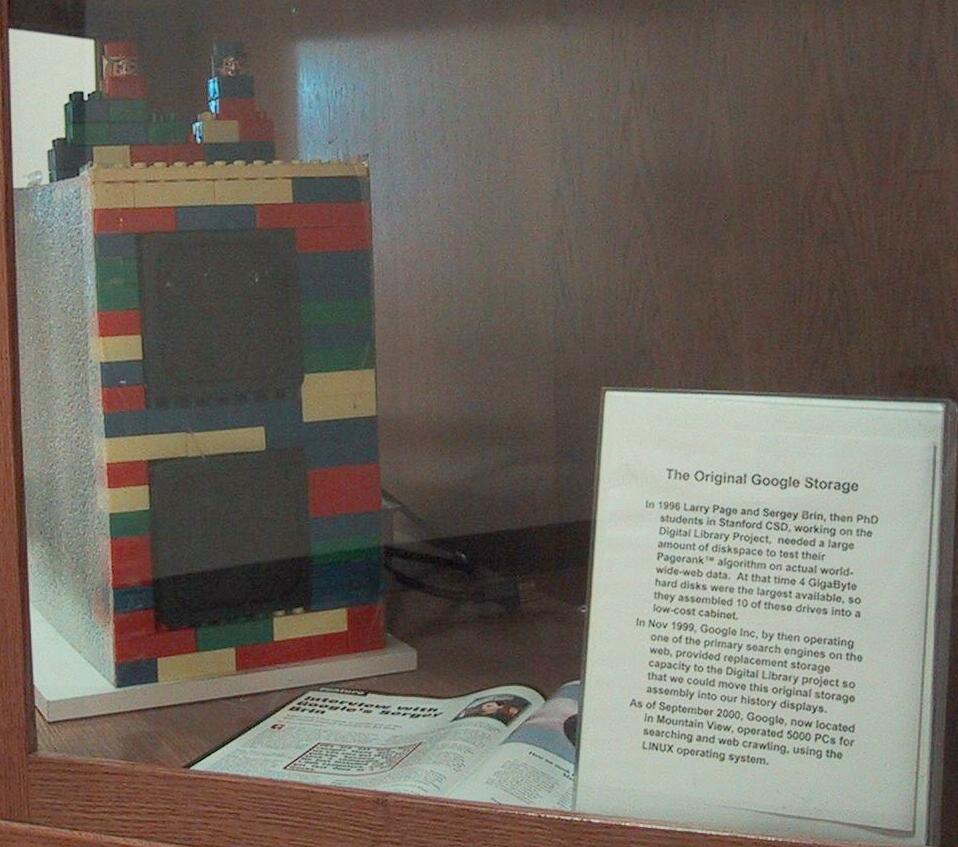
❤️ For all the LEGO fanatics out there.
💡 I've been building things on the web for 3+ years now. Side projects, hackathon MVPs, production systems. The projects I'm proudest of aren't the ones with the most impressive technology. They're the ones where every piece earned its place. Where I could point to any brick and explain why it was there. Not "how many pieces can I use?" but "what's the fewest that make this thing solid, clear, and easy to hand to someone else?" If you've ever loved LEGO, you already know how to build software. You're just learning which bricks to leave in the box. That's kind of beautiful. ✨
Related reads
Curiosity Is the Only Signal Left 🔍A response to Hasif Core on genuine curiosity versus performative intellectualism, and why AI quietly made faking knowledge free.3 min readI Know More Than Newton, Einstein, and TeslaA regular person today has access to more knowledge than the greatest scientists in history. That says something about what intelligence really means.2 min read